understanding violin string types for new players needs
Choosing the right violin strings can make a significant difference in your playing experience as a beginner. With numerous types available, understanding the distinct characteristics and benefits of each can help you select strings that suit your needs. In this article, we will explore the various types of violin strings, their materials, and which options might be best for new players.
Types of Violin Strings
Violin strings are primarily made from three materials: gut, synthetic, and steel. Each type offers unique tonal qualities and playability, making them suitable for different styles and preferences.
Gut Strings
Gut strings are traditionally made from sheep intestines and are known for their warm, rich tone. They are highly responsive and offer a complex sound that many violinists adore. However, gut strings are sensitive to humidity and temperature changes, which can affect their tuning stability. For new players, gut strings may be more challenging to manage, especially those who are still developing their tuning skills. They are often chosen by experienced players and those performing in historical contexts.
People Also Look For:
- Thomastik Infeld Violin strings for Violins Dominant Pro Set DP100
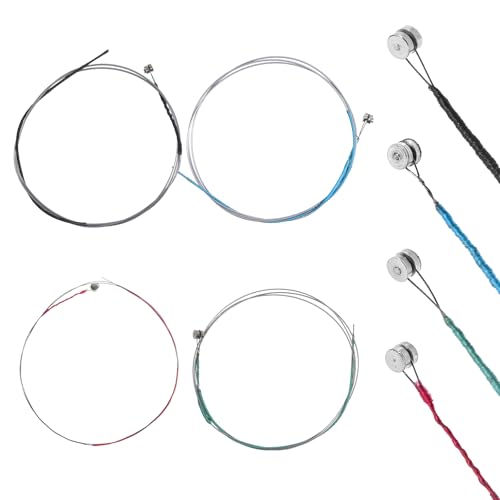
- Fansjoy 2 Sets Violin Strings Full Set (G-D-A-E), Universal Violin Strings with Nickel-plated Ball Ends, Compatible with 4/4 & 3/4...
- D\'Addario Ascente 4/4 Size Violin Strings Set with Bal Ends and Synthetic Core - A310 4/4M - Full Set - Medium Tension
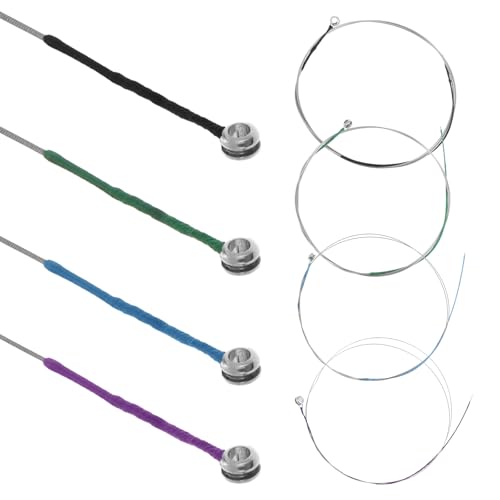
- violin strings 4/4 set (2 set), 3/4 violin string, violin accessories (G-D-A-E)
- Pirastro TON412021 Tonica Violin Strings, Set, 4/4
Synthetic Strings
Synthetic strings are designed to mimic the tonal qualities of gut strings while providing greater stability and durability. Made from nylon or composite materials, these strings are less affected by environmental conditions, making them a great choice for beginners who need consistency. Many players find synthetic strings easier to play, as they require less effort to produce a good sound. Brands like Dominant and Evah Pirazzi are popular among beginners due to their balance of quality and affordability.
Steel Strings
Steel strings are known for their bright, focused sound and excellent projection. They are highly durable and stay in tune well, which is beneficial for beginners still learning to tune their instruments. Although they have a different feel compared to gut and synthetic options, many players appreciate the clarity and responsiveness of steel strings. Brands like Pirastro and D’Addario offer a variety of steel strings, making them accessible for new players seeking a robust sound.
Choosing the Right Strings for Beginners
When selecting strings as a new player, consider your playing style, goals, and personal preferences. If you prefer a warm, mellow sound and are willing to manage tuning more actively, you might explore gut strings. For those who value consistency and ease of play, synthetic strings would be a sensible choice. Steel strings are ideal for beginners who want a clear and powerful sound that supports their developing technique.
String Gauge and Tension
Another critical factor in choosing violin strings is the gauge and tension. Strings come in different gauges, which refer to their thickness. Typically, lighter gauges are easier to play and produce a softer tone, while heavier gauges provide a richer sound but require more finger strength. As a beginner, starting with a medium gauge can strike a balance, allowing you to develop your skills without undue strain.
Maintaining Your Strings
Proper maintenance of your violin strings can prolong their life and preserve their sound quality. Regularly wipe down your strings with a clean cloth after playing to remove rosin buildup and sweat. This simple practice can keep your strings in better condition and enhance their longevity.
Experimenting with Different Brands
As you progress in your playing, feel free to experiment with different brands and types of strings. Each brand has unique characteristics that can further enhance your sound. Visiting a local music store to try out a few options can be a worthwhile experience for your development as a violinist.