Top Apps for Tuning Metronomes and Practice
In today's digital age, musicians have access to a wide array of applications designed to enhance their practice sessions. Whether you are a beginner or a seasoned professional, the right tools can significantly improve your musical skills. This article explores the top apps for tuning instruments, metronomes, and effective practice strategies. We will delve into the features of each app, providing real-world examples of how they can benefit musicians at all levels.
Essential Tuning Apps for Musicians
Accurate tuning is crucial for any musician. Tuning apps have revolutionized the way musicians ensure their instruments are pitch-perfect. These apps offer a variety of features that make tuning efficient and straightforward. Below are some of the top tuning apps currently available:
- TuneMyString: This app provides a simple interface for stringed instruments, including guitars and violins. It offers visual feedback to help users achieve precise tuning.
- Pano Tuner: A widely acclaimed app that utilizes the microphone of a smartphone to detect pitches. It is suitable for various instruments, making it a versatile choice.
- gStrings: This app offers advanced tuning features and supports multiple temperaments. It is especially popular among guitarists and is user-friendly.
For instance, a guitarist preparing for a live performance can use TuneMyString to ensure their guitar is perfectly in tune before stepping on stage. The real-time feedback allows for quick adjustments, making it an invaluable tool in high-pressure situations.
Metronome Apps for Precise Timing
Maintaining timing is essential for musicians, and metronome apps provide the necessary tools for practicing rhythm and tempo. These apps come equipped with various features, including customizable beats and visual cues. Here are some noteworthy metronome apps:
People Also Look For:
- Pirastro TON412021 Tonica Violin Strings, Set, 4/4
- Hidersine Artista Violin Strings 4/4 Full Size Set - Premium Synthetic-Core Strings for Advancing Students - Rich Tone with Modern...
- Violin Strings 4/4 Full Set (G-D-A-E), Universal Steel Strings Medium Tension Solid Steel Core Fiddle String Violins String Instru...
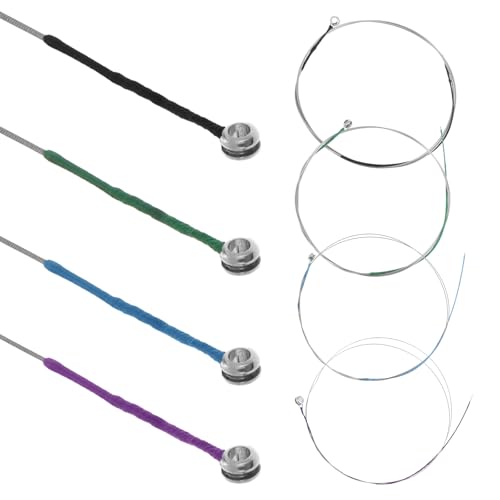
- 4PCS Violin Strings,4/4or3/4 String Universal Full Set,String Instrument Accessories,Replacement G,D,A,E Strings,Classic Silver St...
- Fansjoy 2 Sets Violin Strings Full Set (G-D-A-E), Universal Violin Strings with Nickel-plated Ball Ends, Compatible with 4/4 & 3/4...
- Pro Metronome: This app offers an extensive range of features, including visual cues and adjustable tempos. It is highly regarded among drummers and can help musicians lock in their timing.
- Metronome Beats: Known for its simplicity and effectiveness, this app provides a straightforward metronome experience. Musicians can select different time signatures, making it versatile for various genres.
- Soundbrenner: This app features a unique vibrating metronome that can be worn on the body, allowing musicians to feel the beat. This is particularly useful for drummers who need to maintain rhythm without being distracted by sound.
Imagine a drummer using Pro Metronome during practice sessions. The ability to adjust tempos and use visual cues helps develop a sense of timing that is critical for performing with others. This app supports musicians in honing their rhythmic skills effectively.
Practice Apps to Enhance Skills
In addition to tuning and metronome functionalities, practice apps can help musicians track their progress and enhance their skills. These applications offer features such as practice logs, exercises, and interactive lessons. Below are some recommended practice apps:
- Simply Piano: This app offers interactive piano lessons for beginners and advanced players alike. Users can learn at their own pace while receiving feedback on their performance.
- Yousician: An innovative app that provides lessons for various instruments, Yousician offers real-time feedback and gamifies the learning experience, making practice enjoyable.
- SmartMusic: This app focuses on providing practice tools for musicians, including play-along tracks and assessment features. It is especially popular among music educators.
For example, a violinist using Simply Piano can practice alongside popular songs while receiving instant feedback on their performance. This interactive approach keeps practice sessions engaging and productive.
Creating an Effective Practice Routine
To maximize the benefits of these apps, musicians should develop a structured practice routine that incorporates tuning, metronome use, and targeted practice sessions. Here are some steps to consider:
- Set Goals: Define specific objectives for each practice session. Whether it is mastering a piece or improving timing, having clear goals helps maintain focus.
- Use Tuning Apps: Begin each session by tuning your instrument to ensure optimal sound quality. Utilize a reliable tuning app to confirm pitch accuracy.
- Incorporate Metronome Practice: Start practicing with a metronome to develop timing. Gradually increase the tempo as you become more comfortable with the material.
- Engage with Practice Apps: Use practice apps to explore new techniques and exercises. These tools can introduce variety into your routine.
By integrating these elements into a practice routine, musicians can create a comprehensive approach to skill development. A guitarist might start by tuning their instrument, then spend time practicing scales with a metronome, followed by engaging with a practice app to learn new songs. The combination of these tools fosters a productive learning environment that encourages growth.
Leveraging Community and Feedback
Utilizing apps for tuning, metronomes, and practice is just one aspect of musical growth. Musicians should also consider the importance of community and feedback. Engaging with fellow musicians can provide valuable insights and encouragement. Here are some strategies to leverage community effectively:
- Join Online Forums: Participate in music forums where you can share experiences and seek advice regarding specific apps and techniques.
- Attend Workshops: Workshops often provide hands-on experiences with various tools and techniques. Networking with other musicians can lead to fruitful collaborations.
- Seek Feedback: Use social media or music platforms to share recordings of your practice sessions. Constructive feedback can help identify areas for improvement.
By fostering connections within the music community, musicians can enhance their learning experience and gain different perspectives on their practice methods. An aspiring singer might share their progress on social media and receive helpful tips from more experienced vocalists. This exchange of knowledge can lead to significant improvements in their craft.