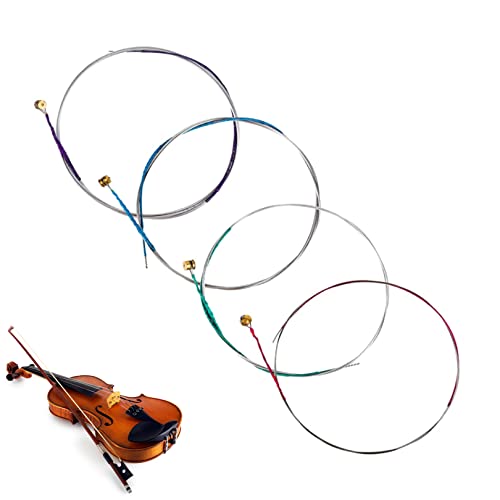
maintaining your violin strings and accessories for longevity
As a violinist, the quality of your sound is intricately connected to the condition of your strings and accessories. Proper maintenance not only enhances performance but also extends the life of your instrument's components. In this guide, we will explore effective methods for caring for your violin strings and the essential accessories that support your playing.
Caring for Your Violin Strings
The heart of your instrument lies in its strings. Regular care can significantly extend their lifespan and maintain their tonal quality. One of the most important practices is to wipe down your strings after each session. This simple act removes rosin residue and sweat, which can corrode the strings over time. Use a soft, lint-free cloth, and be gentle to avoid damaging the string’s surface.
Choosing the Right Strings
Selecting high-quality strings is crucial for not only sound but longevity. Look for reputable brands known for their durability. Synthetic strings can offer a warm tone and are less prone to breakage compared to some steel strings. Consider your playing style and preferences; heavier gauge strings may produce a richer sound but can also wear down faster under vigorous playing.
People Also Look For:
- Pirastro TON412021 Tonica Violin Strings, Set, 4/4
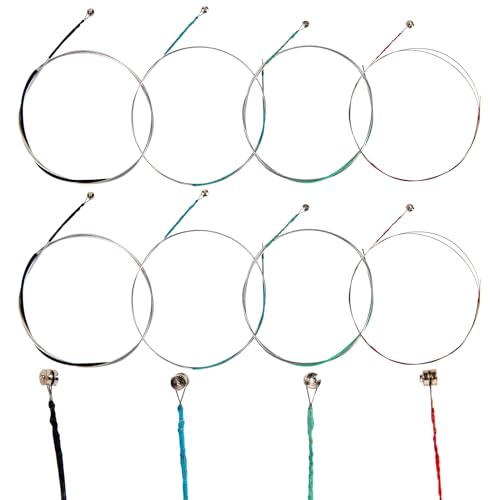
- Violin Strings 4/4 Full Set (G-D-A-E), Universal Steel Strings Medium Tension Solid Steel Core Fiddle String Violins String Instru...
- Pirastro Tonica 4/4 Violin Strings with Advanced Synthetic Core, Medium Gauge with Ball End E - Professional Nylon String Set with...
- D\'Addario Orchestral - Helicore 4/4 Size Violin Strings Set with Plain Steel E String - H310 4/4M - Full Set - Medium Tension
- Violin Strings 4/4 Set 12Pcs Universal Classic Silver Steel Medium Gauge Strong Violin Strings with Nickel-Plated Ball End for 4/4...
String Change Frequency
How often you change your strings depends on your playing frequency and style. For regular players, changing strings every three to four weeks is advisable. If you perform frequently, you may want to change them even more often. Listen for signs that strings are losing their brilliance or tuning stability, as these are indicators that it is time for a change.
Storing Your Violin Properly
How you store your violin can also impact the longevity of your strings and accessories. Always store your instrument in a case when not in use to protect it from dust and temperature fluctuations. Avoid placing your violin in direct sunlight or near heat sources, as this can cause the wood to warp and adversely affect the strings.
Maintaining Your Bow
Your bow is another essential component that requires care. Regularly check the bow hair for wear and replace it when necessary. A well-haired bow provides better sound and control. To maintain the bow, clean the stick regularly with a soft cloth to remove rosin buildup. When rehairing, seek a professional who can ensure your bow is equipped for optimal performance.
Utilising Essential Accessories
Investing in high-quality accessories can greatly enhance the maintenance of your violin. A robust shoulder rest helps support your instrument better and can prevent unnecessary strain during playing. Maintain the rubber feet on the shoulder rest, as wear can lead to slipping, which affects your playing posture.
Cleaning and Caring for the Instrument
Beyond strings and bows, the body of your violin also needs attention. Regularly clean the body with a soft, dry cloth to keep it looking pristine. Avoid using any chemicals or polishes that could damage the finish. Additionally, consider routine professional setups to ensure your instrument is in top playing condition. This includes checking the bridge, sound post, and fingerboard, which can all affect playability.
Humidity Control
Humidity levels can have a substantial impact on your instrument. A humidity-controlled environment is ideal, especially for wooden instruments. Using a hygrometer in your case can help monitor levels. If you live in particularly dry or humid areas, consider using a case humidifier or dehumidifier to maintain optimal moisture levels.