Overcoming Performance Anxiety Tips for Concert Success
Performance anxiety is a common challenge faced by musicians and performers alike. The pressure to deliver a perfect performance can often lead to feelings of nervousness and self-doubt. This anxiety can manifest physically and mentally, impacting a performer’s ability to showcase their talent effectively. Understanding the nuances of performance anxiety and employing effective strategies can significantly enhance a musician's experience on stage. This article delves into practical tips to prepare for concerts, equipping performers with the tools needed to conquer their fears and shine.
Understanding Performance Anxiety
Performance anxiety, often referred to as stage fright, can occur before or during a performance. It can trigger a plethora of symptoms, including racing heart, sweating, and difficulty concentrating. These physical manifestations may stem from a fear of negative evaluation, perfectionism, or past negative experiences. For instance, a musician may recall a previous performance where they stumbled on a note, creating a mental barrier for future performances. Recognizing these triggers is the first step in addressing them effectively.
Many renowned musicians have faced performance anxiety at some point in their careers. For example, acclaimed cellist Yo-Yo Ma has openly discussed his struggles with nervousness before concerts. His journey illustrates that even the most accomplished artists experience self-doubt. Understanding that this is a universal challenge can provide solace and motivation for aspiring performers.
Preparation Techniques for Musicians
Preparation is key when it comes to minimizing performance anxiety. Musicians should consider several strategies that can enhance their readiness for a concert.
- Practice Regularly: Regular and focused practice builds muscle memory and confidence. Aim for a consistent practice schedule leading up to a performance. This routine creates familiarity with the material, reducing anxiety.
- Simulate Performance Conditions: Rehearsing in an environment similar to the performance venue can be beneficial. Invite friends or family to act as an audience, or perform in front of a mirror. This simulation helps to acclimatize to the pressure of performing.
- Mindful Breathing Exercises: Incorporating breathing techniques can help calm nerves. Simple exercises, such as inhaling deeply for four counts, holding for four counts, and exhaling for four counts, can help center the mind.
- Visualize Success: Visualization is a powerful tool for performers. Spend time imagining a successful performance, focusing on the emotions and sensations of playing confidently and receiving positive feedback.
Building Confidence Through Mental Preparation
Mental preparation is just as important as physical preparation. Musicians should cultivate a positive mindset to combat performance anxiety effectively.
People Also Look For:
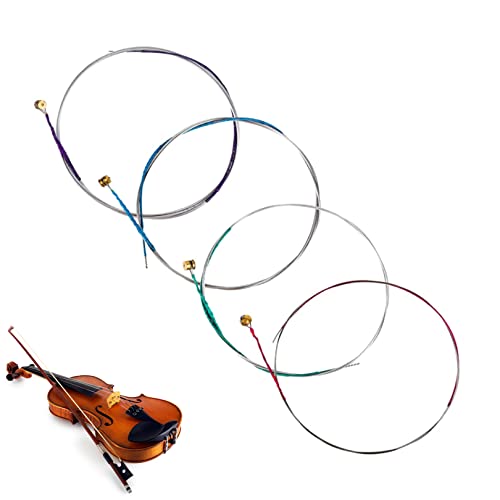
- Violin Strings Full Set, Violin Strings Replacement,Long-Lasting Durability & Rich Tone - Handcrafted with Premium Materials- For ...
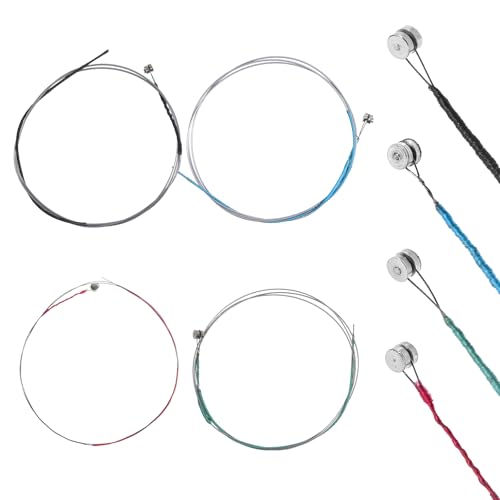
- 4 PCS Violin Strings Full Set, Universal Carbon Steel Copper Wound with Copper-Plated Ball End Classic Steel Strings for Instrumen...
- Violin Strings 4/4 Set 12Pcs Universal Classic Silver Steel Medium Gauge Strong Violin Strings with Nickel-Plated Ball End for 4/4...
- Thomastik Infeld Violin strings for Violins Dominant Pro Set DP100
- Fansjoy Violin Strings Full Set(G-D-A-E), Universal Steel Strings for 4/4 3/4 Size Violins, Quality Synthetic Steel Core with Nick...
Affirmations and Positive Self-Talk
Using affirmations can significantly impact a musician's mindset. Positive self-talk can replace negative thoughts that often accompany performance anxiety. Phrases such as "I am prepared and capable" or "I will perform to the best of my ability" can reinforce confidence. Creating a list of personal affirmations and repeating them daily can help internalize this positive mindset.
Setting Realistic Goals
Setting achievable goals for each performance can reduce pressure. Instead of aiming for perfection, focus on specific aspects of the performance. For instance, a musician might set a goal to connect emotionally with the audience or to enjoy the experience rather than striving for flawless execution. This shift in focus can alleviate anxiety and enhance the performance experience.
Physical Well-being and Performance
Physical health plays a crucial role in managing performance anxiety. Musicians should prioritize their overall well-being leading up to a concert.
- Nutrition: Eating a balanced diet can impact energy levels and mental clarity. Foods rich in omega-3 fatty acids, antioxidants, and whole grains support cognitive function and reduce anxiety.
- Exercise: Regular physical activity can alleviate stress and improve mood. Engaging in activities such as yoga or running can help release endorphins, which promote a sense of well-being.
- Sleep: Adequate rest is essential for optimal performance. Establishing a consistent sleep schedule can help ensure that musicians are alert and focused during their performance.
Engaging with the Audience
Connecting with the audience can transform a performance from a daunting task into an enjoyable experience. Musicians should consider ways to engage the audience effectively.
Establishing eye contact can create a sense of connection and comfort. When a performer acknowledges the audience, it fosters a shared experience, reducing the feeling of isolation on stage. Additionally, engaging in brief conversations with the audience before the performance can create a friendly atmosphere, making the performer feel more at ease.
Another strategy is to focus on the music itself rather than the audience's reaction. Concentrating on the emotion conveyed through the music can shift attention away from self-doubt and anxiety. By immersing in the performance, musicians can deliver a more authentic and compelling experience.
Seeking Professional Guidance
For some musicians, performance anxiety may require additional support. Seeking guidance from a therapist or a coach specializing in performance anxiety can provide tailored strategies and coping mechanisms. These professionals can offer insights into the psychological aspects of performance and help develop personalized plans to manage anxiety effectively.
Music teachers and mentors can also be invaluable resources. Discussing feelings of anxiety with a trusted instructor can provide reassurance and practical advice based on their experiences. Many teachers understand the pressures of performing and can share techniques that have worked for them.
Creating a Supportive Environment
Creating a supportive environment is essential for reducing performance anxiety. This can include surrounding oneself with encouraging individuals who understand the pressures of performing. Having friends or family members attend concerts can provide emotional support and boost confidence.
Furthermore, joining a community of musicians can foster a sense of belonging and shared experiences. Networking with fellow performers allows for the exchange of tips and encouragement. This community aspect can create a safer space for discussing challenges and triumphs in performance.
Conclusion of Thoughts
By implementing these strategies and understanding the intricacies of performance anxiety, musicians can prepare effectively for their concerts. The journey of overcoming performance anxiety is unique to each individual, and with practice and support, it is possible to transform anxiety into a powerful performance tool.