Essential Guide Getting Started Violin Setup Equipment Storage
Setting up your violin properly is crucial for optimal performance and longevity. Whether you are a beginner or an experienced player, understanding how to set up your instrument, select the right equipment, and ensure proper storage can significantly impact your playing experience. This guide provides detailed insights into each aspect, helping you to establish a solid foundation for your musical journey.
Understanding Violin Setup
The setup of a violin encompasses several elements, including the bridge, sound post, strings, and chin rest. Each component plays a vital role in the instrument's sound quality and playability. A well-set-up violin allows for easier playing and produces a richer tone.
For instance, the bridge is crucial for sound transmission. If the bridge is too low, the violin may produce a muted sound. Conversely, if it is too high, it can become challenging to play. Therefore, ensuring the bridge height is appropriate for your playing style is essential. Additionally, the sound post, located inside the violin, affects the tonal characteristics significantly. A sound post that is positioned correctly enhances resonance and volume.
As a beginner, it is advisable to consult a professional luthier to assist with the initial setup. They can help you choose the right strings based on your skill level and style, whether you prefer synthetic core or gut strings. Each type offers different tonal qualities, and understanding these will help you make an informed choice.
Essential Equipment for Violinists
Alongside the violin itself, several pieces of equipment are essential for any violinist. The right accessories can enhance your playing experience and ensure your instrument remains in top condition.
People Also Look For:
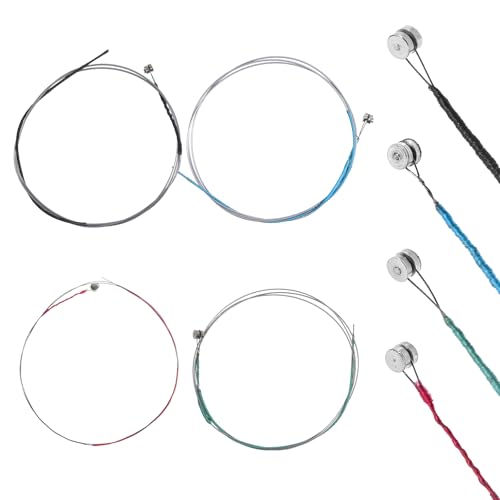
- Pirastro Tonica 4/4 Violin Strings with Advanced Synthetic Core, Medium Gauge with Ball End E - Professional Nylon String Set with...
- Adagio Pro - Violin Strings - 4/4 Classic Silver Violin String Set/Pack With Ball Ends For Concert Tuning. Expert to Beginners.
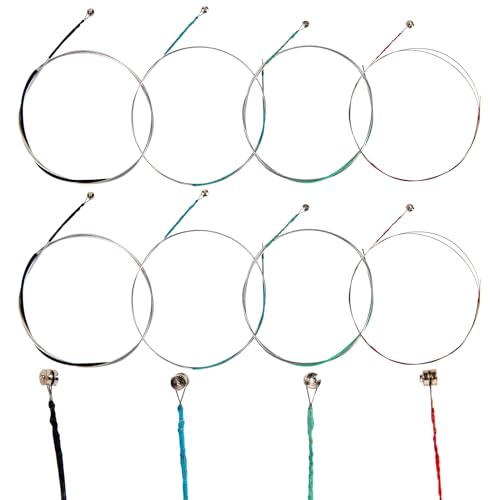
- 12 Pcs 3 Pack Violin Strings 4/4 Full Set, Universal Classic Steel Core with Nickel-plated Ball End for Violin Instruments (G-D-A-...
- 4 PCS Violin Strings Full Set, Universal Carbon Steel Copper Wound with Copper-Plated Ball End Classic Steel Strings for Instrumen...
- 4PCS Violin Strings,4/4or3/4 String Universal Full Set,String Instrument Accessories,Replacement G,D,A,E Strings,Classic Silver St...
- Bow: Selecting a quality bow is as important as choosing the right violin. The bow should feel comfortable in your hand and balance well. It is often recommended to try several bows to determine which one suits your style.
- Rosin: Rosin is necessary to create friction between the bow hair and the strings. Applying the right amount of rosin is key; too much can create a scratchy sound, while too little can result in a weak tone.
- Shoulder Rest: A shoulder rest can significantly affect your comfort while playing. It helps to position the violin correctly and reduces strain on your neck and shoulder.
- Case: A sturdy case is vital for protecting your instrument from damage during transport and storage. Look for cases with good padding and a secure closure system.
When choosing equipment, consider your budget and how often you plan to play. Investing in quality accessories can make a substantial difference in your playing experience.
Proper Storage Techniques for Your Violin
Proper storage is essential for maintaining the quality and longevity of your violin. Violins are sensitive to temperature and humidity changes, and improper storage can lead to damage.
When not in use, always store your violin in its case. This protects it from dust, accidental bumps, and environmental factors. Ensure that the case is stored in a stable environment, away from direct sunlight or sources of heat like radiators. Extreme temperatures can cause the wood to warp or crack.
Additionally, consider using a hygrometer to monitor the humidity levels in your storage area. Violins thrive best in environments with humidity levels between forty to sixty percent. If you live in a dry area, you might want to invest in a case humidifier to maintain optimal conditions.
For long-term storage, it is advisable to loosen the strings slightly to reduce tension on the neck and body of the instrument. This can help prevent warping over time.
Maintenance and Care for Your Violin
Regular maintenance is key to keeping your violin in excellent condition. Cleaning your instrument after each use helps prevent the buildup of rosin dust and oils from your hands, both of which can affect sound quality.
To clean your violin, use a soft, dry cloth. Avoid using any liquids or polishes, as these can damage the finish. Pay special attention to the fingerboard and the areas around the strings. Regularly inspect the strings for signs of wear and replace them as needed, typically every few weeks for frequent players.
Furthermore, consider scheduling annual check-ups with a professional luthier. They can perform deeper maintenance tasks such as adjusting the sound post, checking the neck alignment, and ensuring that all components are functioning optimally.
As you embark on your journey with the violin, understanding these foundational elements will empower you to take excellent care of your instrument. The setup and maintenance processes are not just routine tasks; they are integral to your development as a musician. Each adjustment and detail contributes to your overall playing experience and ability to express yourself through music.
By prioritizing the setup, selecting the right equipment, and ensuring proper storage, you lay the groundwork for a rewarding musical journey. As you progress, these practices will become second nature, allowing you to focus on what truly matters: making beautiful music.