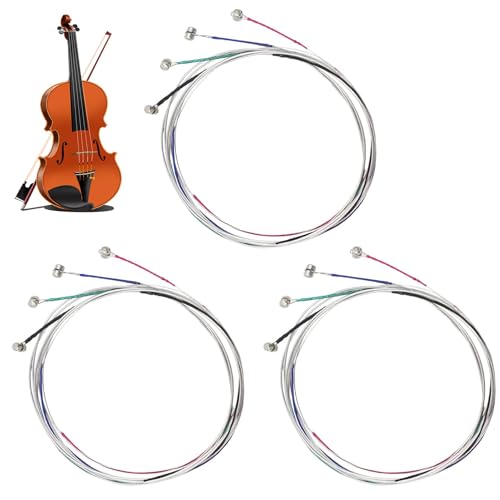
comparing synthetic and gut violin strings for better sound
As a violinist, the choice of strings can dramatically influence your instrument's tone and playability. In 2026, both synthetic and gut strings remain popular among musicians, each offering unique characteristics that cater to different playing styles and preferences. Understanding the distinctions between these two types of strings can help you select the best option for achieving your desired sound.
The Nature of Gut Strings
Gut strings have been a staple of stringed instruments for centuries, made from the intestines of sheep or other animals. They are renowned for their warm, rich sound that many players find to be more resonant and complex compared to synthetic alternatives. The natural material allows for a unique tonal quality that can enhance the overall musical experience.
One of the key advantages of gut strings is their ability to produce a more vibrant and nuanced tone, especially in the lower register. Many orchestral musicians and traditional players prefer gut strings for their expressive qualities. However, gut strings are sensitive to humidity and temperature changes, which can affect tuning stability. Regular maintenance and accurate tuning adjustments are necessary when using gut strings.
People Also Look For:
- Thomastik Infeld Violin strings for Violins Dominant Pro Set DP100
- violin strings 4/4 set (2 set), 3/4 violin string, violin accessories (G-D-A-E)
- Violin Strings Full Set, Violin Strings Replacement,Long-Lasting Durability & Rich Tone - Handcrafted with Premium Materials- For ...
- LARSEN STRINGS Violin Strings II Cannone Set Soloist
- Pirastro TON412021 Tonica Violin Strings, Set, 4/4
The Rise of Synthetic Strings
Synthetic strings were developed as an alternative to gut, often using nylon or other composite materials. They offer several benefits that appeal to modern violinists. Synthetic strings are generally more stable in varying environmental conditions, making them less prone to tuning issues caused by humidity or temperature fluctuations. This stability can be particularly beneficial for outdoor performances or in variable climates.
The sound produced by synthetic strings is often described as bright and clear, offering excellent projection. Many synthetic strings aim to replicate the tonal qualities of gut while providing added durability. This characteristic makes them a popular choice among contemporary players in various genres, including classical, folk, and pop. Additionally, synthetic strings are usually more affordable than gut counterparts, making them accessible for students and amateur musicians.
Sound Quality Comparison
When comparing the sound quality of synthetic and gut strings, personal preference plays a significant role. Gut strings are often favoured for their warmth and depth, particularly in solo performances or chamber music settings where a rich tonal palette is desired. In contrast, synthetic strings shine in ensemble settings where clarity and projection are paramount.
It is essential to consider the specific type of music you play. For instance, baroque music enthusiasts often lean towards gut strings to capture the authentic sound of the period, while contemporary players may prefer synthetic strings for their reliability. To fully appreciate the differences, testing both types in your own playing context is advisable.
Practical Advice for Choosing Strings
Choosing the right strings involves more than just debating synthetic versus gut. Consider the following practical tips:
- Experimentation: Try different brands and types within each category. Some synthetic strings mimic gut tones more closely than others.
- Tension and Gauge: Pay attention to the tension and gauge of the strings. Lower tension strings may be easier on the fingers, while higher tension ones can provide more volume.
- Playing Style: Your style of play can also influence your choice. If you perform a lot of vibrato or expressiveness, gut strings might suit you better.
- Ask Fellow Musicians: Consult with teachers or fellow violinists who have experience with both types. Their insights can provide valuable guidance.
- Budget Considerations: Balance your budget with your needs. While gut strings can be more expensive, they may offer a sound quality worth the investment for serious players.